Professional Login-Order Online!
Order products online to receive enhanced service and support instantly. Easily share evidence and literature with your
Choose another country or region to see content specific to your location.
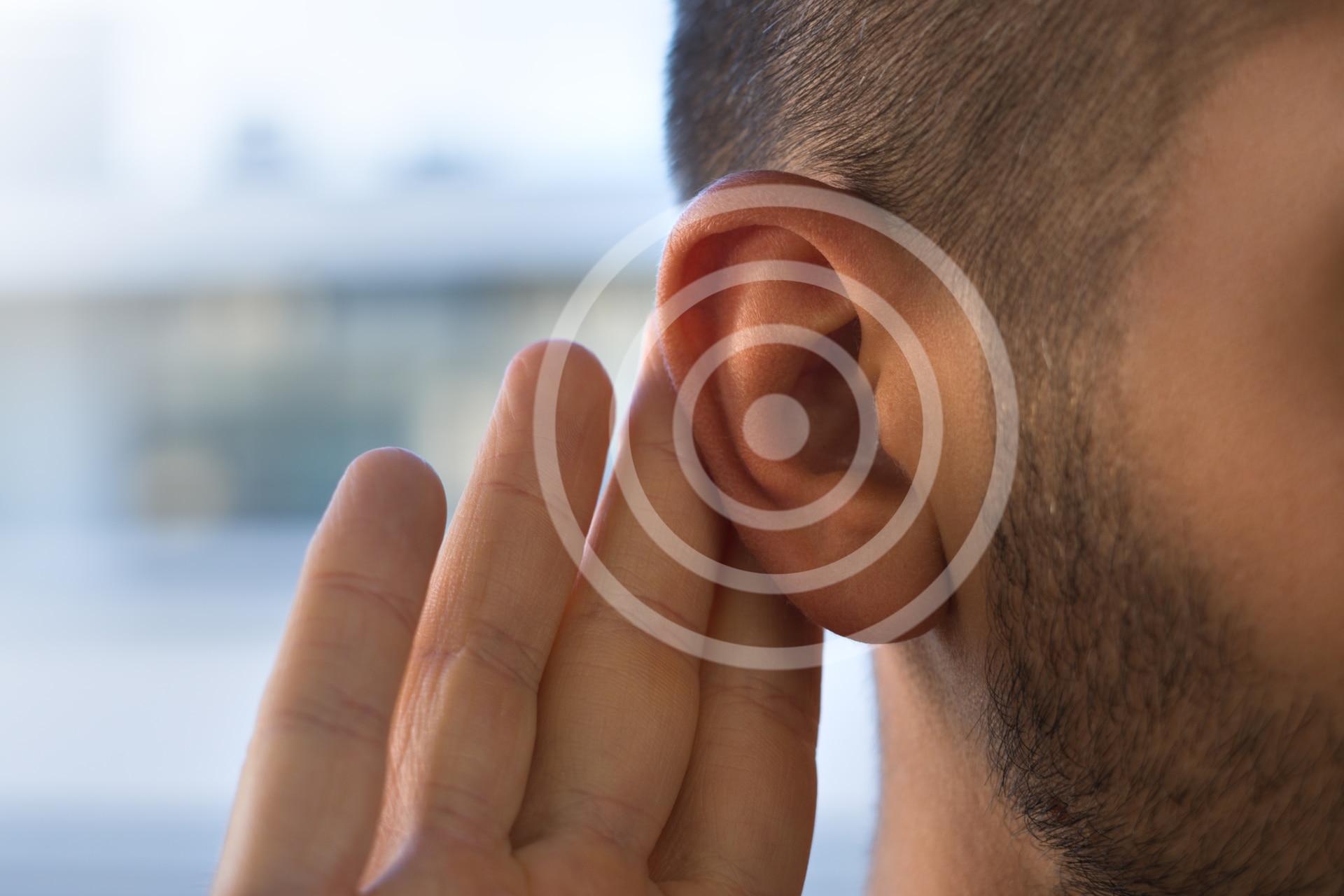
Tinnitus is the perception of sound when there is no external sound source. Often described as ringing, buzzing, or hissing, it can affect one or both ears and may come and go or persist over time.
Tinnitus can affect sleep, concentration, and everyday well-being. Understanding its possible causes and exploring appropriate care can help you find ways to manage its impact.
Tinnitus and hearing loss often occur together, but having tinnitus does not necessarily mean you have hearing loss.
Your inner ear converts sound vibrations into signals that travel to your brain. Hearing loss can change those signals and how the brain processes sound, which may contribute to tinnitus.
A hearing evaluation can help identify whether hearing loss is present and guide your care.
of adults worldwide experience tinnitus, with prevalence increasing with age. Notably, about 2% of adults experience severe tinnitus, significantly impacting daily life**.
This chronic condition can be connected to a sudden explosion of sound or long-term hearing loss. Those with tinnitus have reported experiencing sinusitis, blows to the head, neck injuries, damage to the jaw, the hardening of bones in the ears, damage to nerves involved in hearing sound, brain circulation and ear wax blockage. Tinnitus is a complex medical condition when the cause may not be clear or evident.
Tinnitus has several possible causes and associated conditions. Sometimes, no clear cause is identified.
Stress and poor sleep can make tinnitus more noticeable or harder to manage. A healthcare professional can assess possible causes and recommend appropriate next steps.
Find a provider near you to help with Tinnitus: Enter your ZIP code or city on our Find a Provider map to connect with a hearing care specialist today!
Tinnitus can be described by how long it lasts and by the characteristics of the sound.
Acute Tinnitus:
Tinnitus lasting less than three months.
Chronic Tinnitus
Tinnitus lasting three months or longer. Ongoing support may help reduce its impact on daily life.
Subjective Tinnitus
Sound that only the person experiencing it can hear. This is the most common form.
Objective Tinnitus
A rare form in which a healthcare professional may also detect the sound during an examination.
Pulsatile tinnitus: A rhythmic sound that often follows your heartbeat. It needs prompt medical assessment and is not always objective tinnitus.
These types of tinnitus all result from different causes. Sometimes the cause of tinnitus is a mystery, while other times it can be connected.
These descriptions can overlap. For example, someone can have both chronic and subjective tinnitus.



Arrange a medical evaluation if tinnitus is persistent, worsening, or affecting your sleep, concentration, or well-being. Seek immediate medical care if tinnitus occurs with sudden hearing loss, facial weakness, a spinning sensation called vertigo, or after a head injury. If the sound beats in time with your pulse, seek prompt medical assessment.
An appointment helps your healthcare professional understand your symptoms, check for possible causes, and discuss next steps. Depending on your needs, it may include:
A discussion of your symptoms: When tinnitus started, what it sounds like, and how it affects daily life.
A review of your health history: Including medications, noise exposure, and other symptoms.
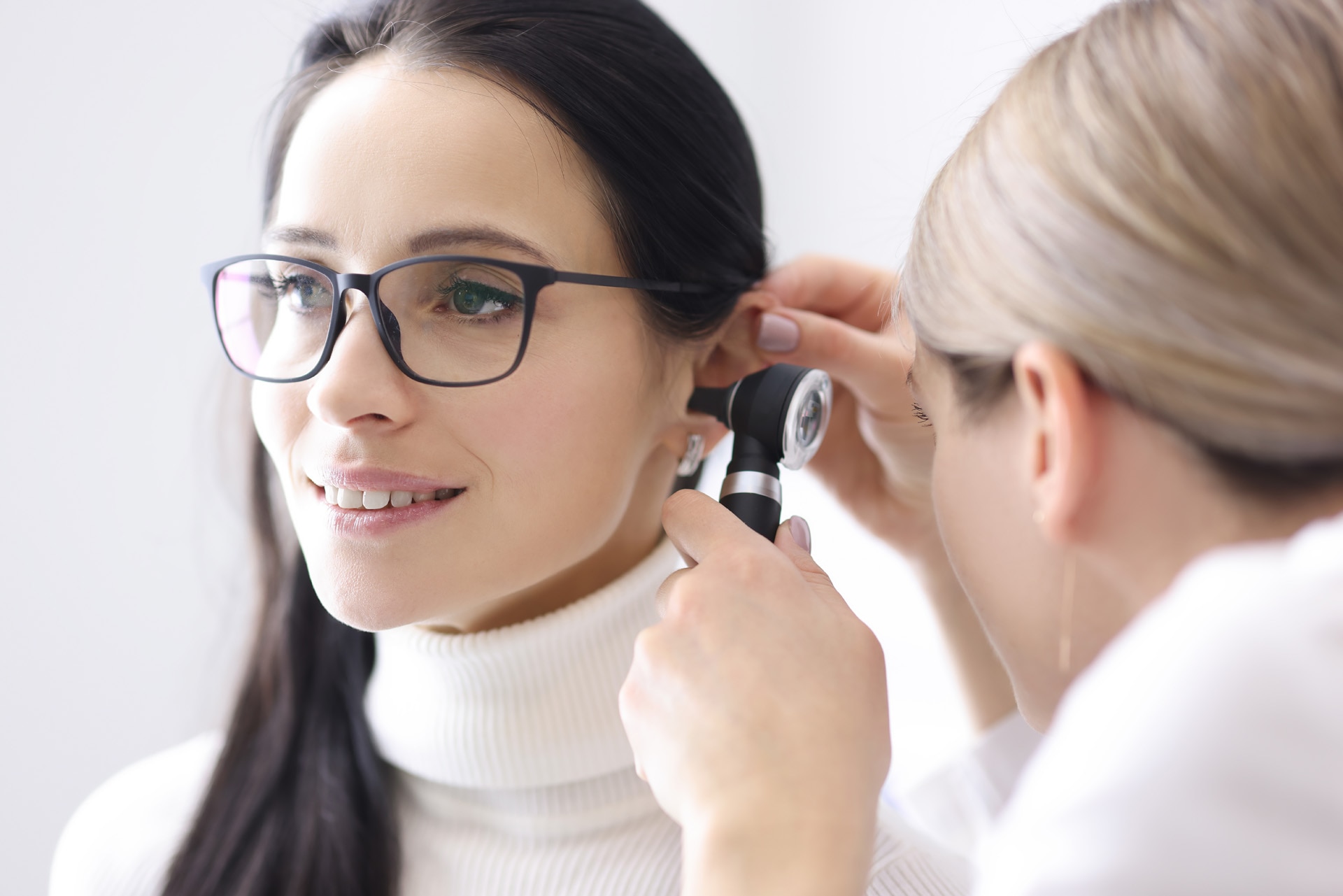
An ear examination: To check for issues such as earwax buildup or infection.
A hearing evaluation: To determine whether hearing loss is present.
A care plan: Recommendations for treatment, management, or referral to another specialist.
You may see a primary care clinician, an ear, nose, and throat specialist, or an audiologist as part of your care.
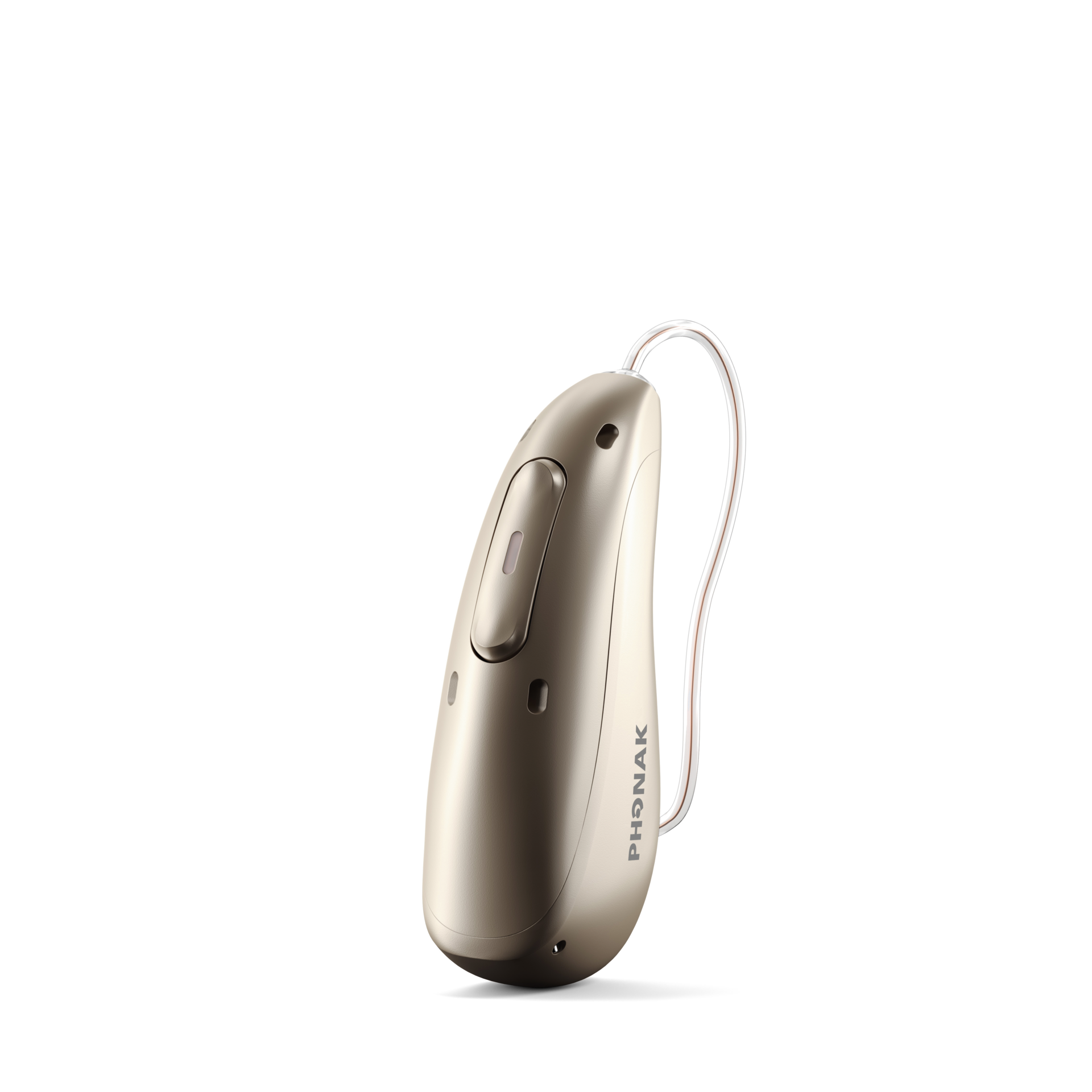
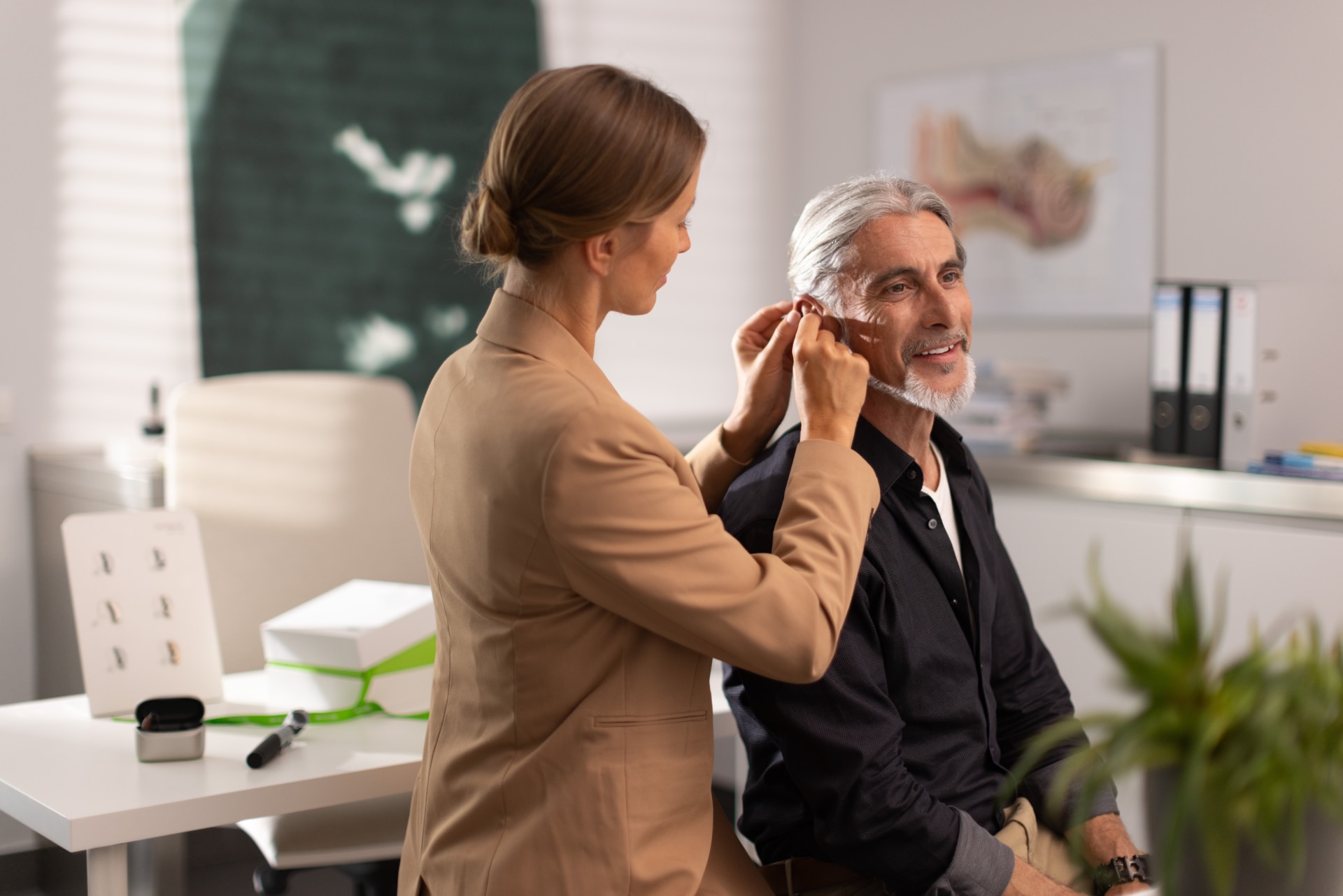
Hearing aids can be a game-changer if you have tinnitus, especially if it’s linked to hearing loss. When your hearing fades, your brain has to work harder to pick up sounds, and sometimes it fills in the gaps with its own noises—hello, ringing! Hearing aids help by boosting the sounds you actually want to hear, like voices and everyday noises. With these real sounds coming through loud and clear, your brain isn’t left with as much room to create those annoying phantom sounds. So, for a lot of people, hearing aids can seriously cut down on tinnitus.
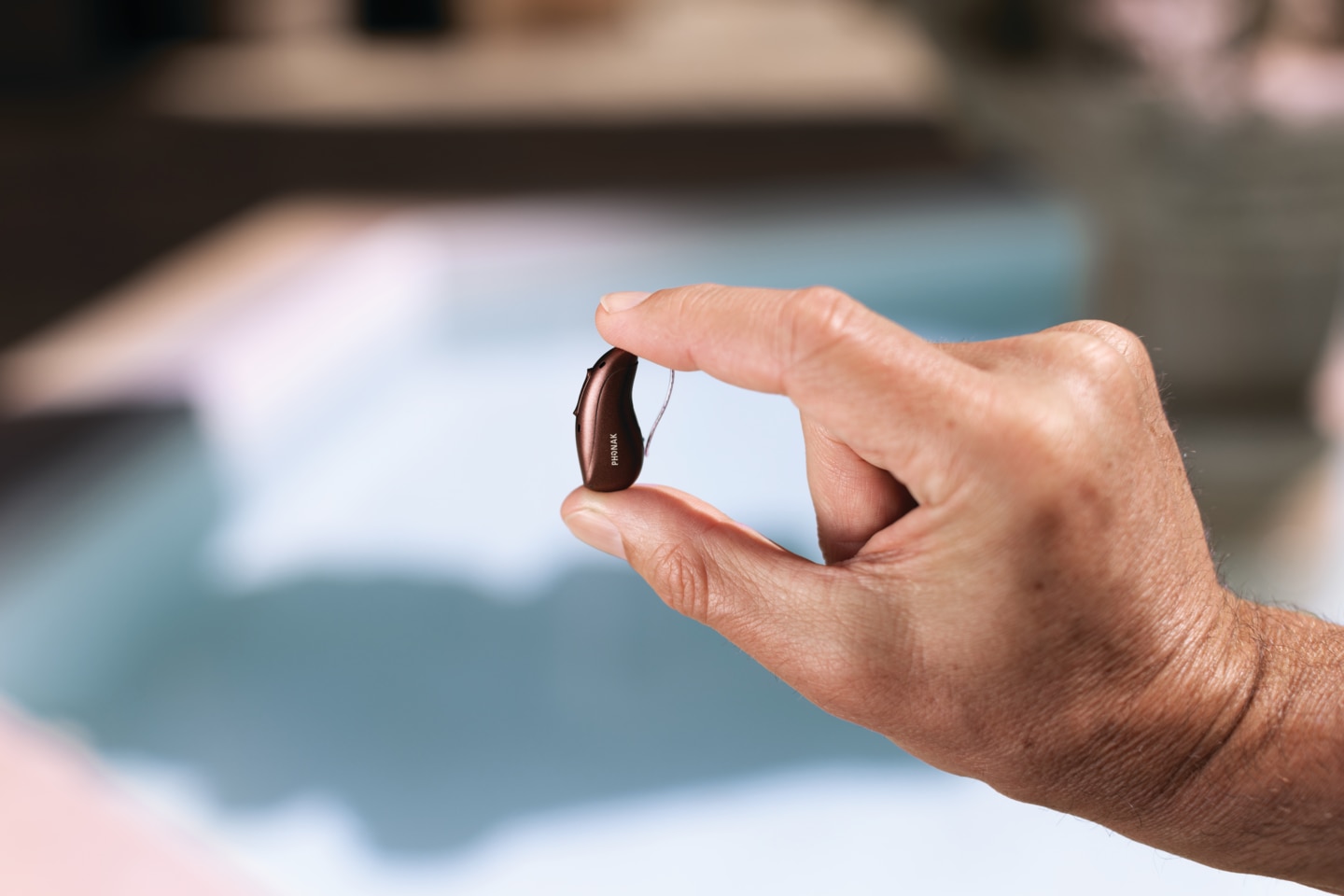
Phonak offers a range of hearing aids with advanced features designed to help manage tinnitus and improve overall hearing. Explore our solutions now.

An online hearing test is a quick and easy way to get a snapshot of your hearing health from the comfort of home. It’s not a full diagnosis, but it can give you helpful insights and let you know if it’s time to see a specialist for a more thorough check.
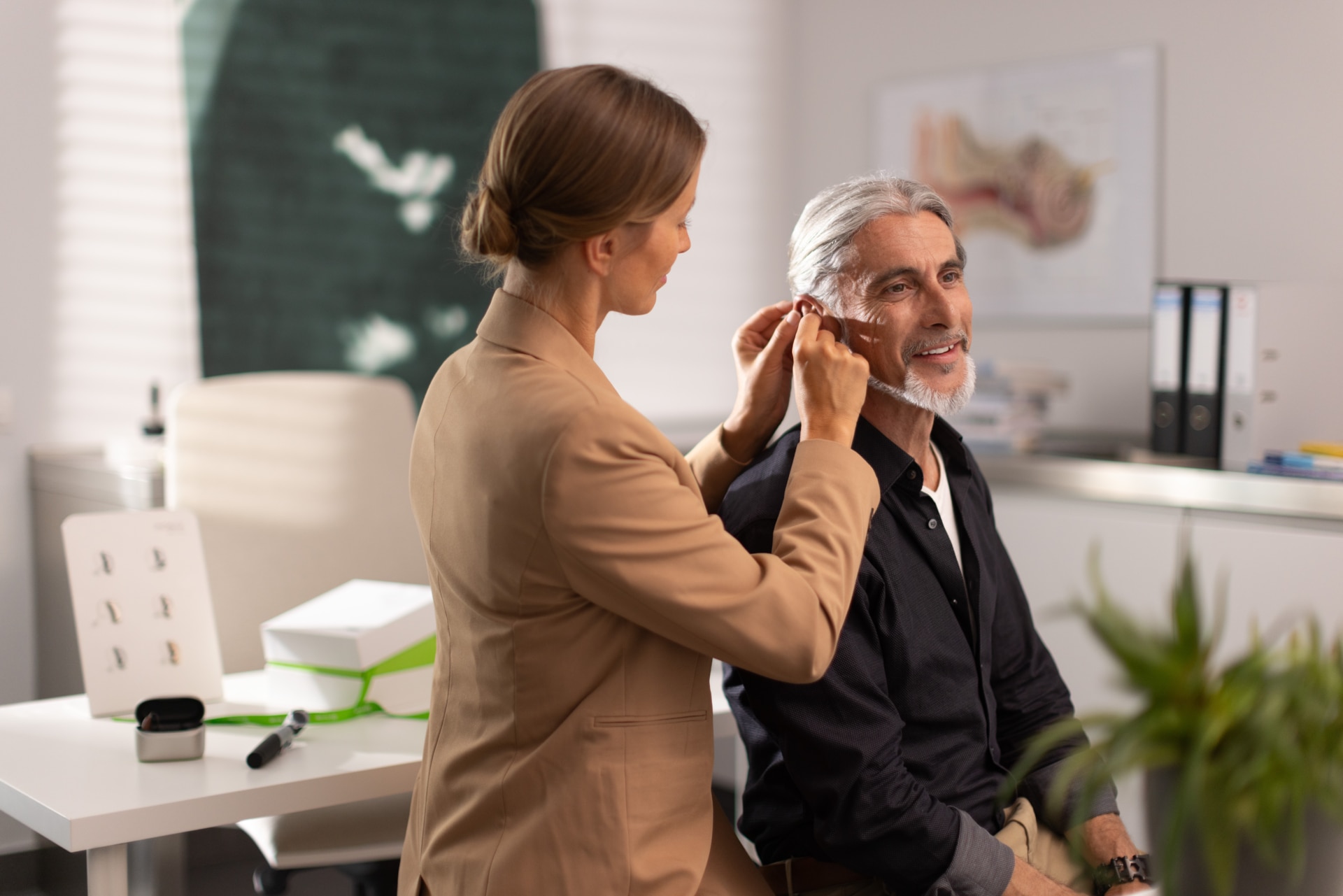
Finding a hearing care provider is the first step toward improving your hearing and tackling tinnitus. A provider can give you a full hearing evaluation, help you explore hearing aid options, and guide you in choosing the best solution for your needs.
Tinnitus is the perception of sound without an external sound source. It may sound like ringing, buzzing, hissing, or humming and can affect one or both ears.
Tinnitus can be associated with hearing loss, noise exposure, earwax buildup, ear infections, certain medications, and other health conditions. Sometimes, no clear cause is found. Stress can make tinnitus more noticeable or harder to manage.
Contact a healthcare professional for advice. Seek immediate medical care if tinnitus occurs with sudden hearing loss, facial weakness, vertigo, or after a head injury. A sound that beats in time with your pulse also needs prompt medical assessment. Find a Phonak provider near you.
Tinnitus may come and go or persist over time. Tinnitus lasting less than three months is described as acute; tinnitus lasting three months or longer is considered chronic. Its duration alone does not determine the cause or whether treatment is needed.
Yes. For people with tinnitus and hearing loss, hearing aids can make tinnitus less noticeable by amplifying speech and everyday sounds. A hearing care professional can assess whether hearing aids are appropriate for you.
Yes. You can sign up with the Phonak newsletter by filling out the form below. Enter your name, email and ZIP code, then select Submit to get exclusive updates and the latest news from Phonak in your inbox.