Professional Login-Order Online!
Order products online to receive enhanced service and support instantly. Easily share evidence and literature with your
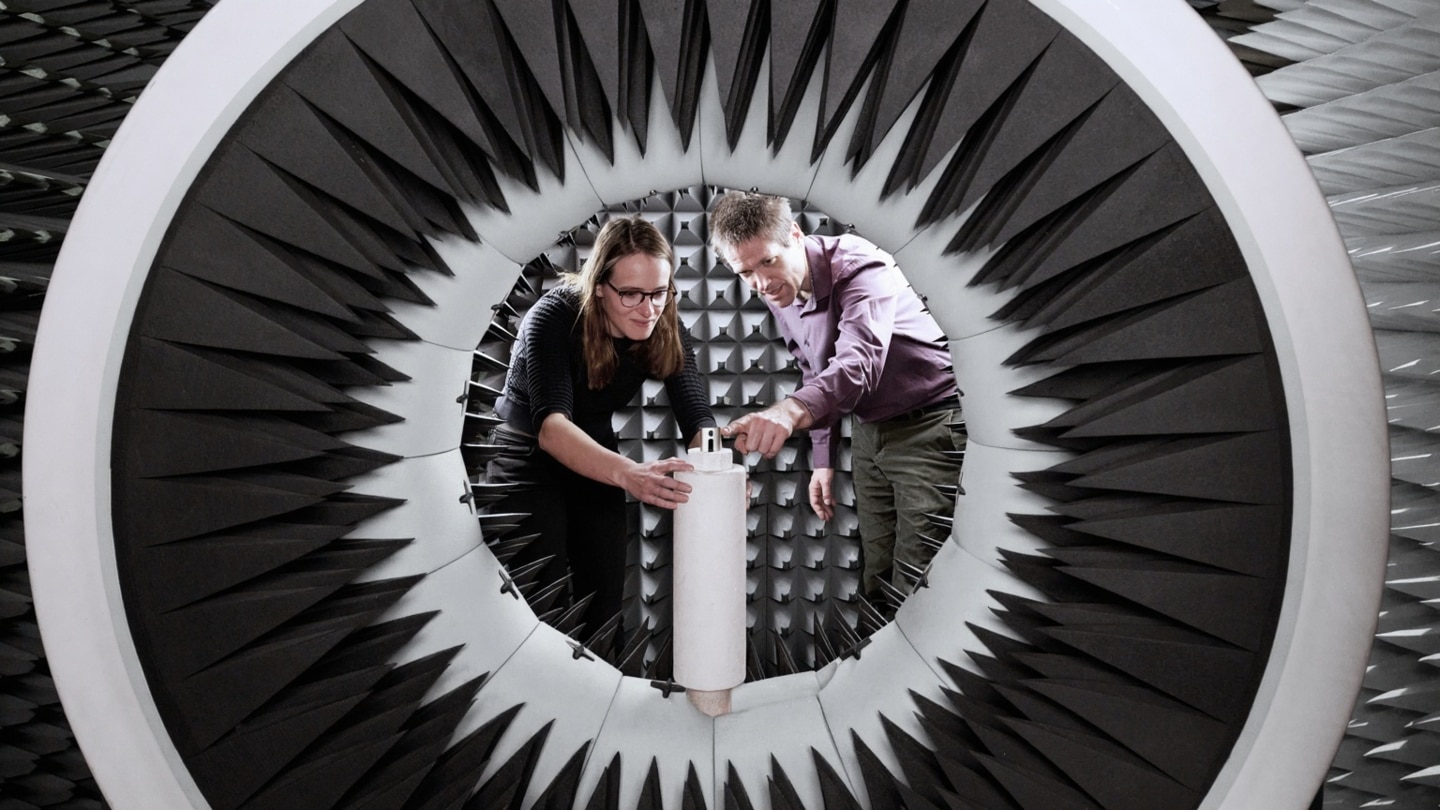
Phonak is a global leader in hearing technology and audiology, committed to improving the quality of life for people with hearing loss through relentless innovation and rigorous research. We hire the best talent and collaborate with leading experts worldwide to push the boundaries of technology and take hearing care to the next level.
Powered by purpose. Driven by science. Created for real life.
Senior Audiology Manager
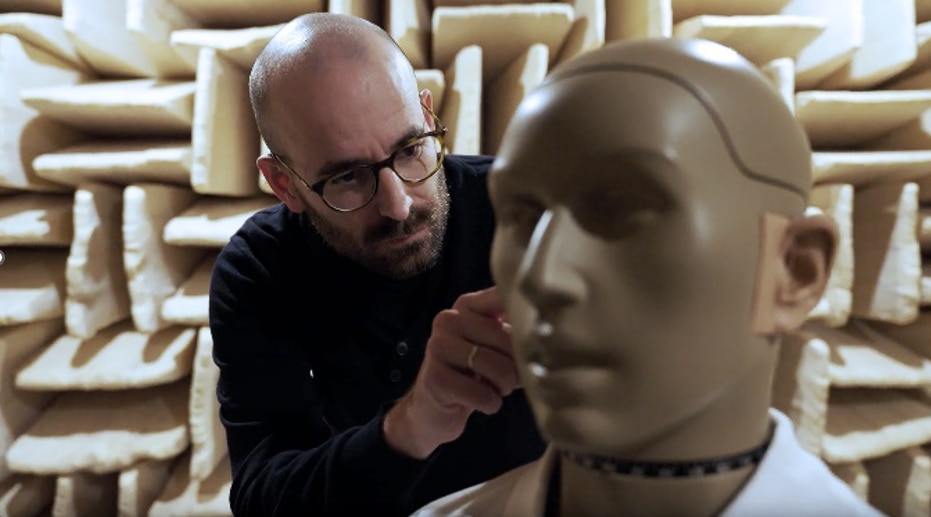
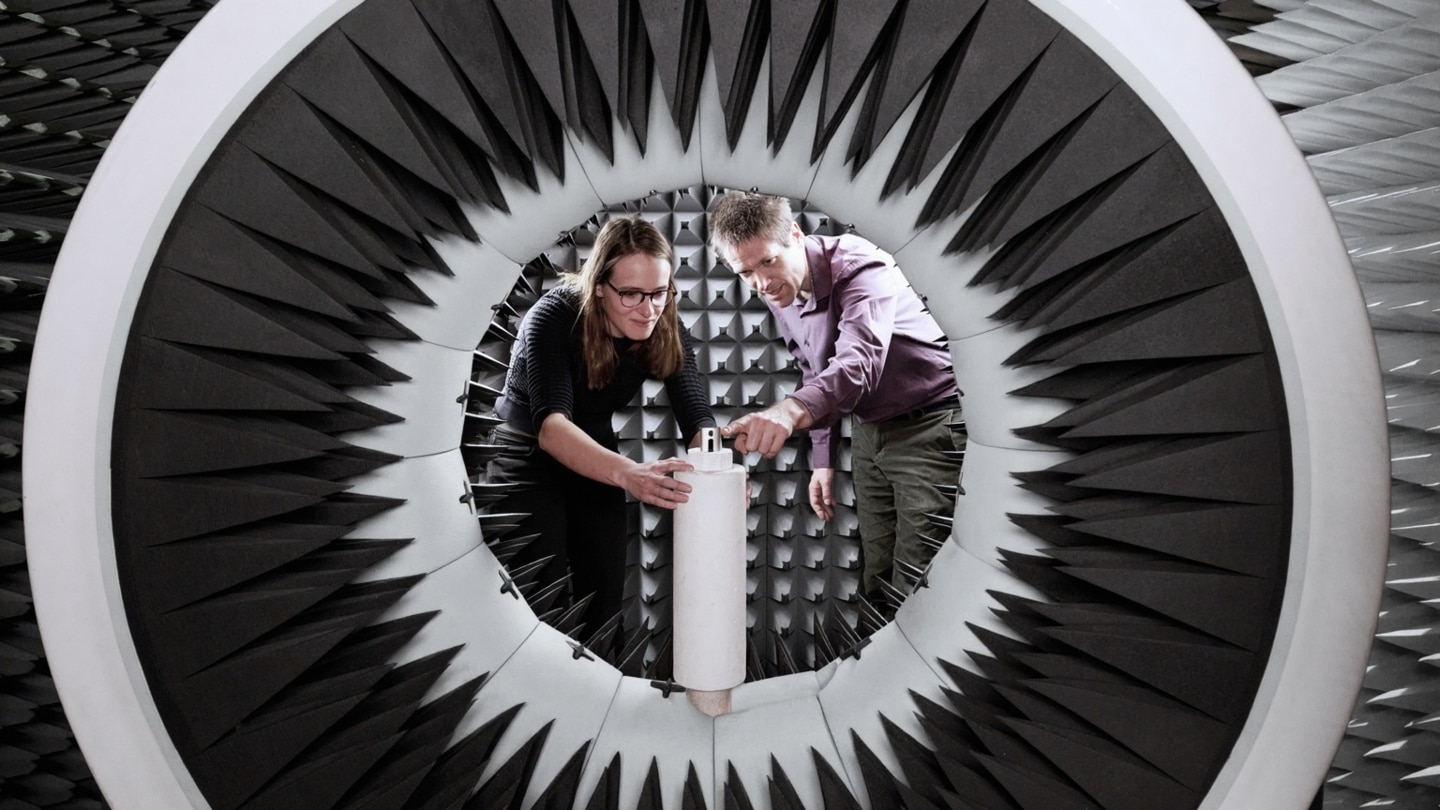
As Senior Audiology Manager at Phonak, Michael Preuss bridges engineering and audiology - ensuring every product delivers true value for hearing care professionals and people with hearing loss. Learn what drives him, how products come to life, and why education plays a key role in global success.
Multi-Modal Classification Expert
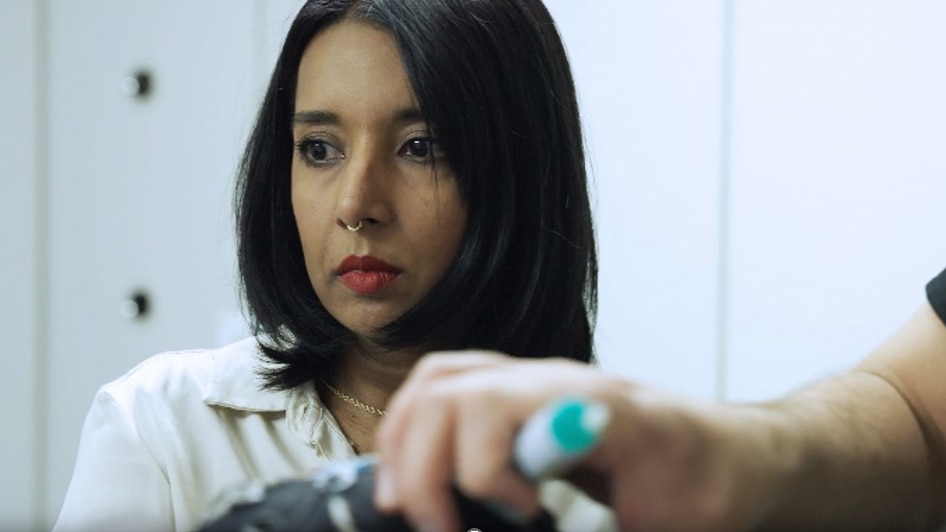
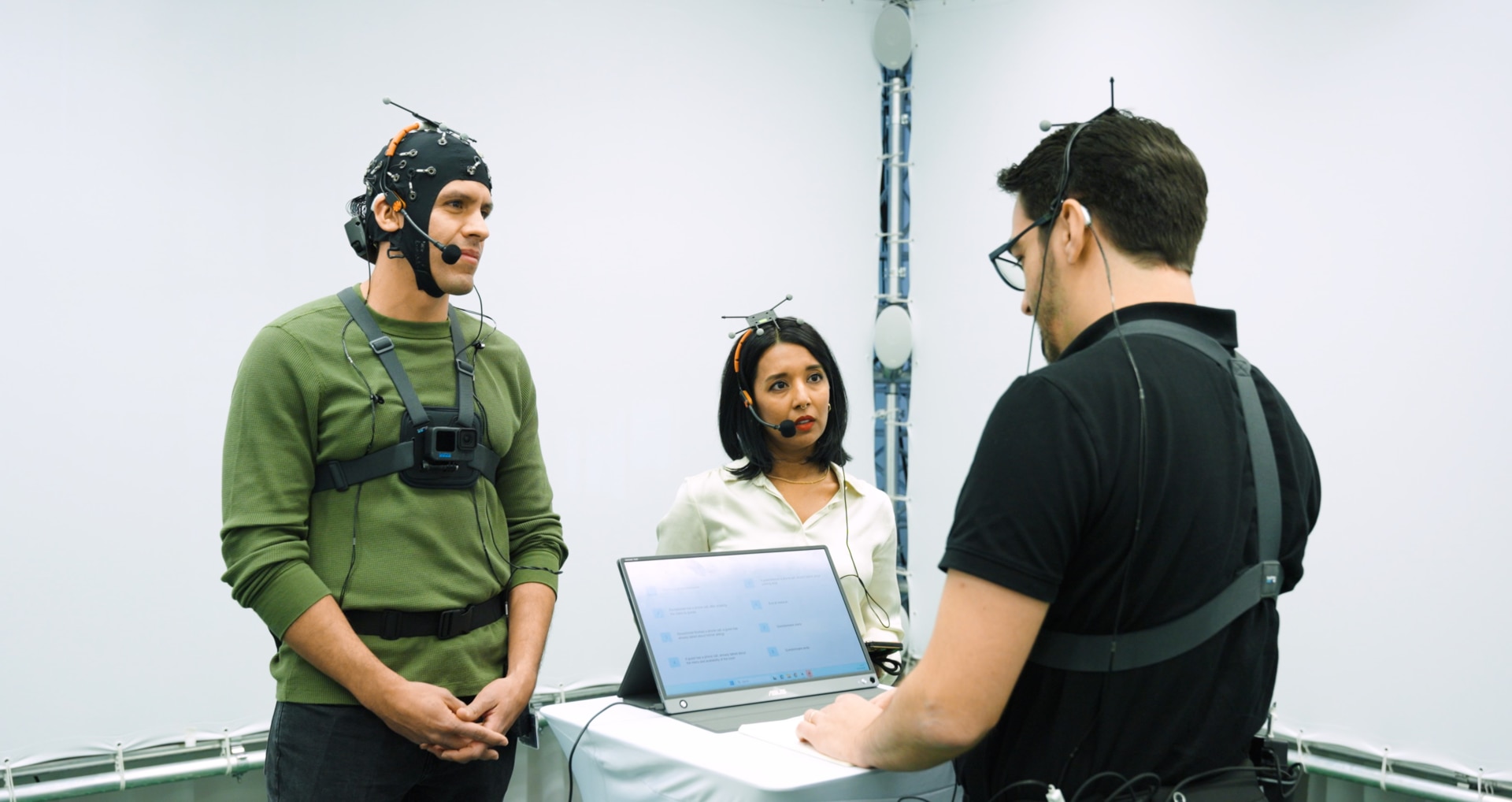
Ruksana Giurda turns cutting-edge research into the next generation of hearing aid features. Using EEG and advanced testing, she optimizes listening experiences — while mentoring young engineers and leading cross-team projects. Together, they’re shaping the future of how people with hearing loss experience sound.
Clinical Studies Manager
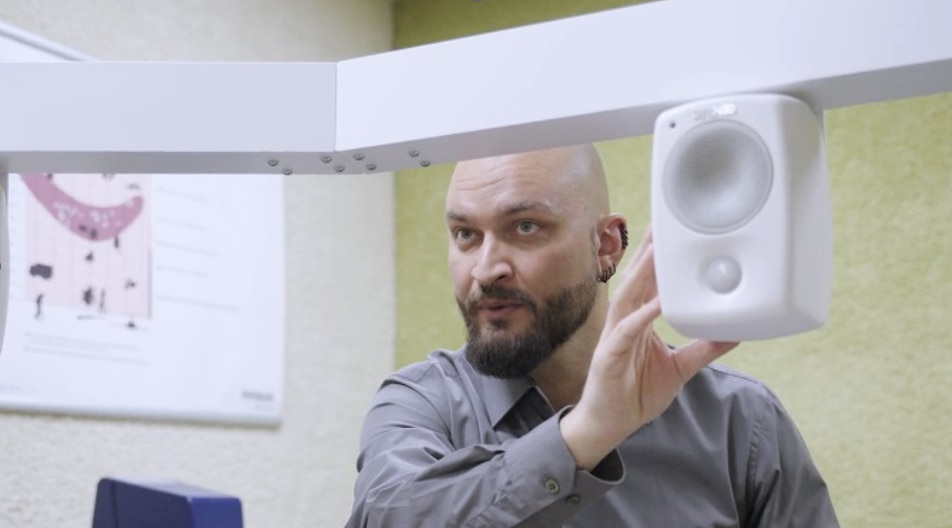
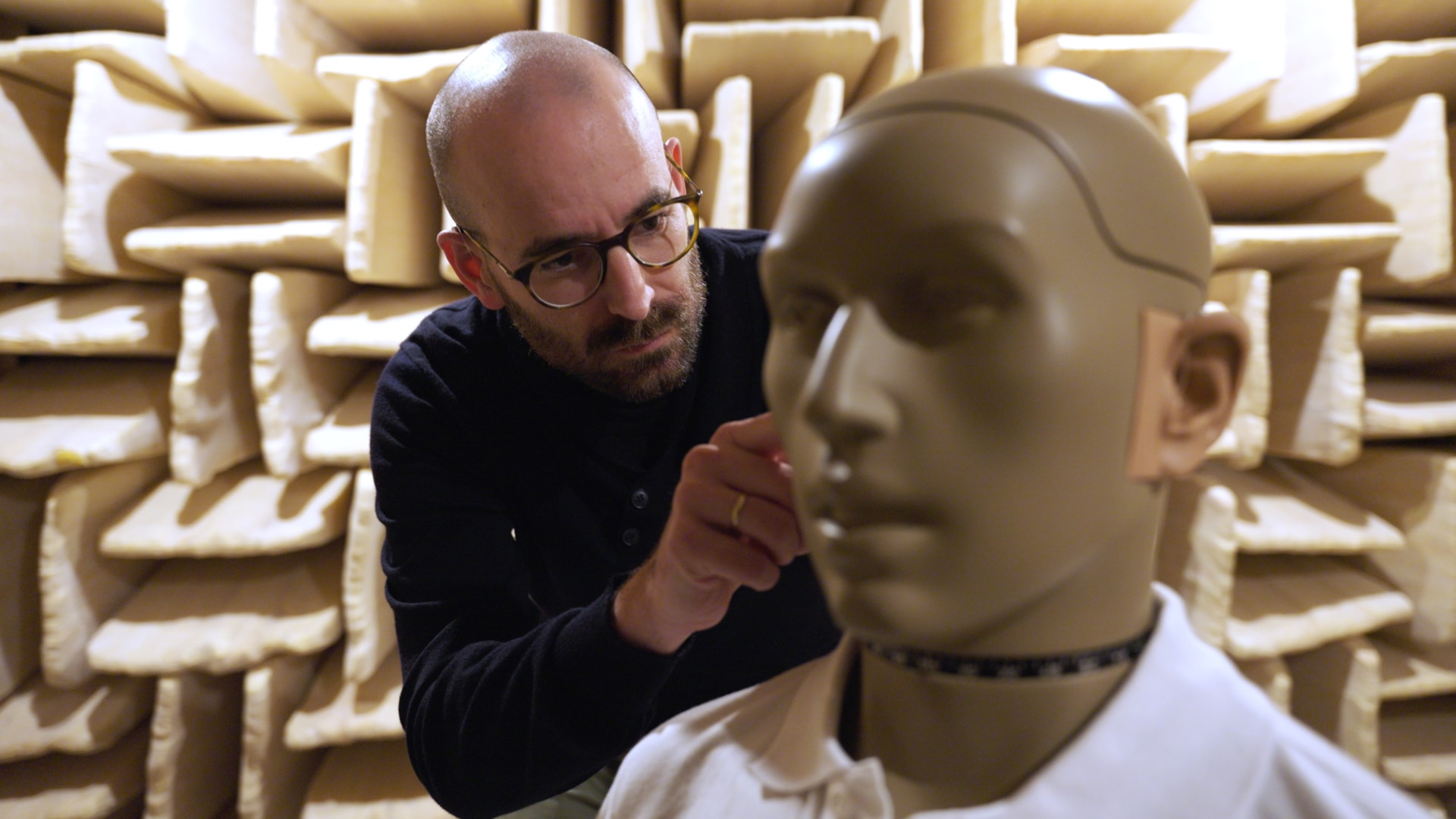
Sebastian Griepentrog brings study ideas to life. At PARC Stäfa, one of our global research hubs, he uses realistic lab setups to recreate everyday listening challenges. By combining these measurements with the invaluable feedback from study participants, Sebastian helps create hearing aids that truly enhance daily listening experiences.
At Phonak, we strive to provide solutions that deliver real-world benefits to your clients.
Our technical measurements are designed to validate effectiveness and usability in everyday life.
Key components of our quality measurement set-up include:
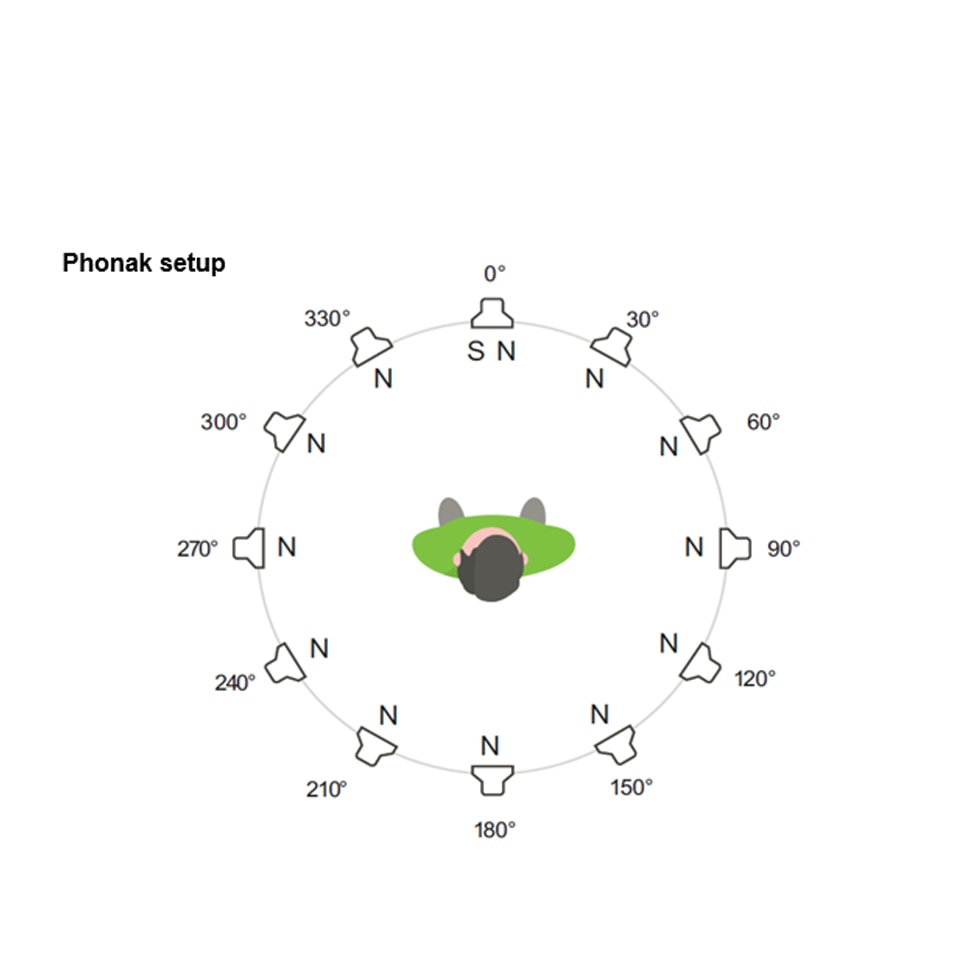
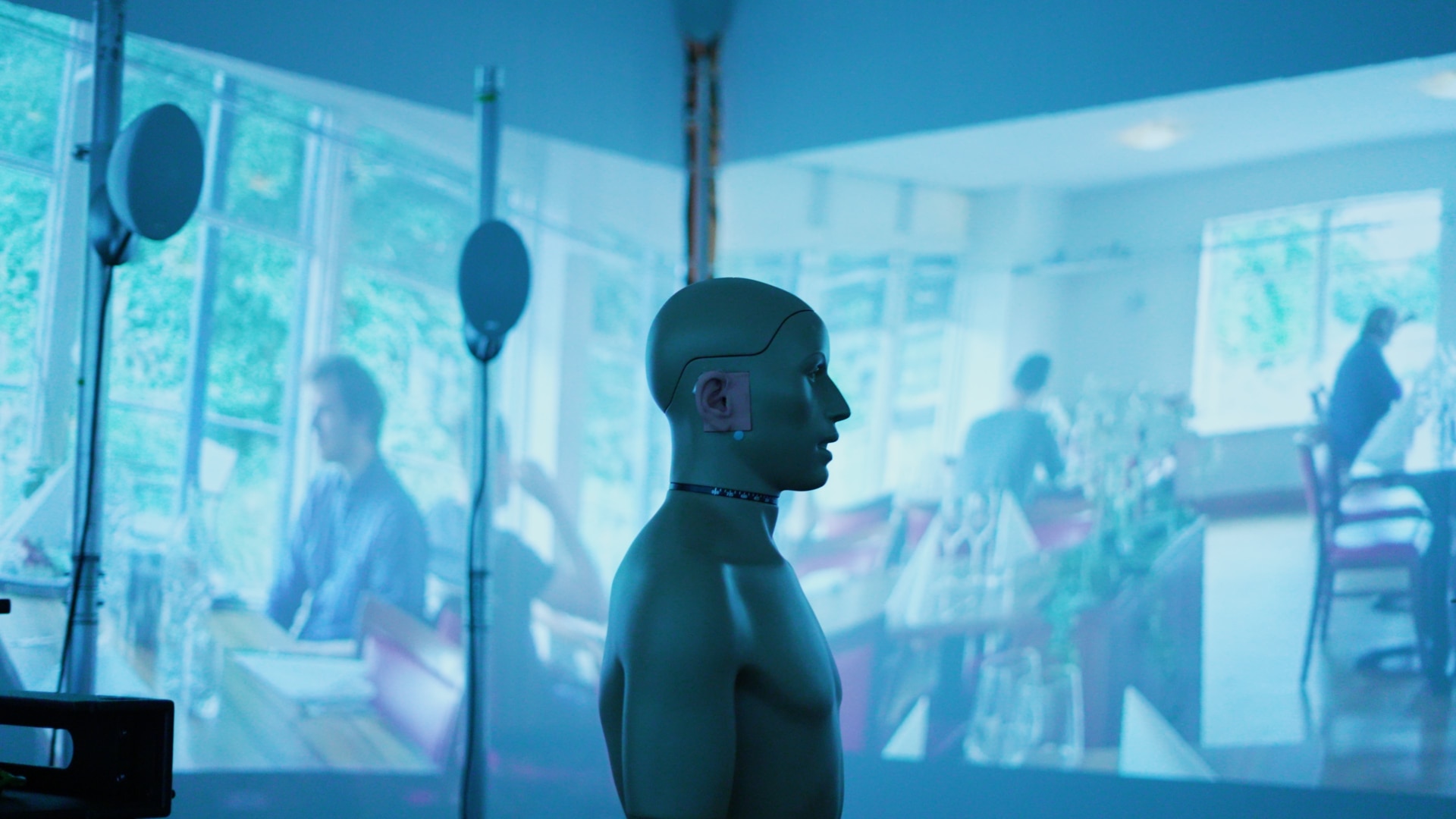
Loudspeakers arranged in various configurations around the listener to accurately simulate noise and speech from realistic directions.

Background noise simulation realistic sound recording to replicate real-world listening situations.

Direction of target speech and the task reflects real-world listening task.
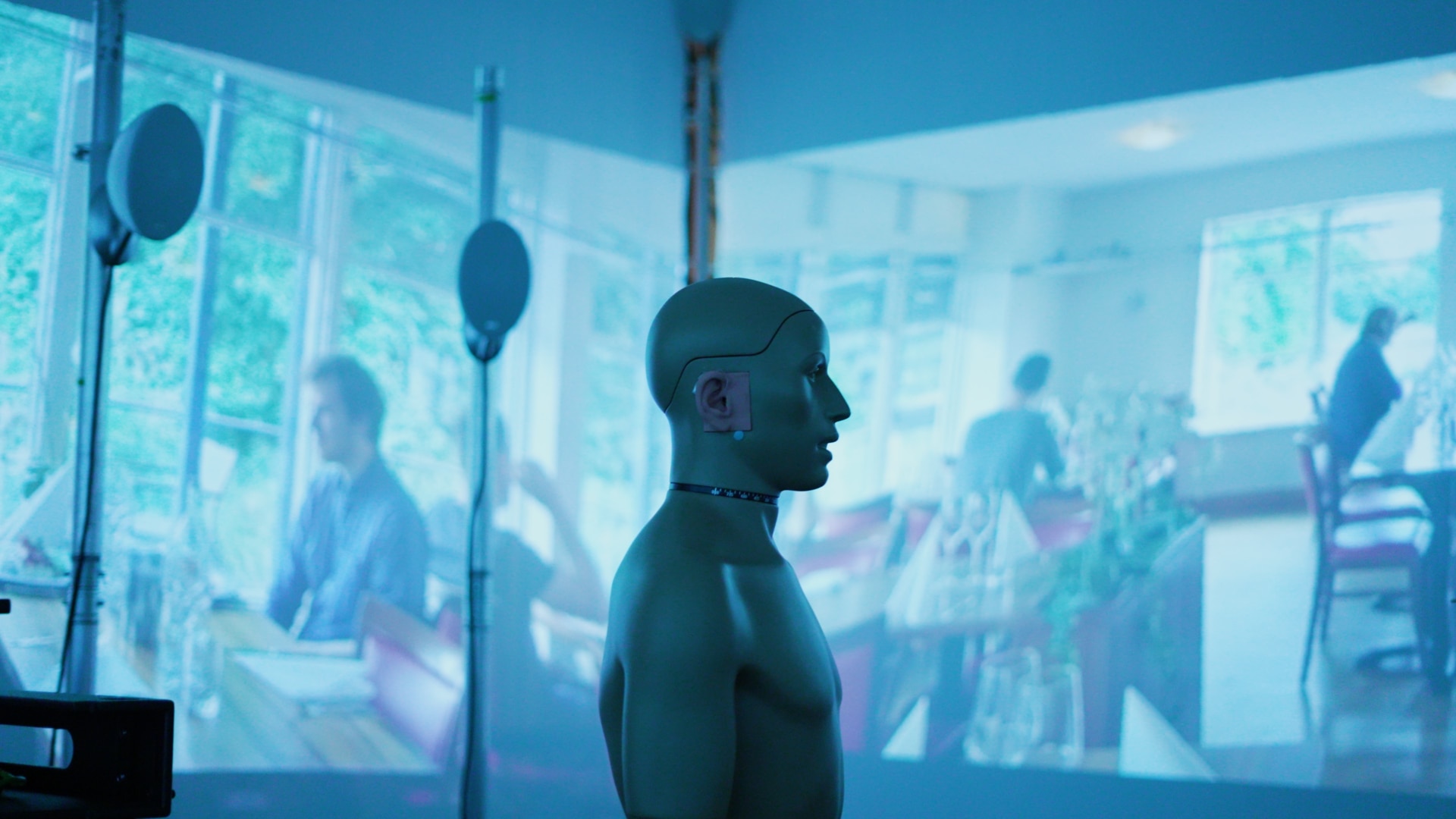
Curious how hearing aid performance is truly measured? This article dives into how Phonak builds robust, evidence-based results using realistic technical assessments—showing what makes speech clearer in real-world noise.
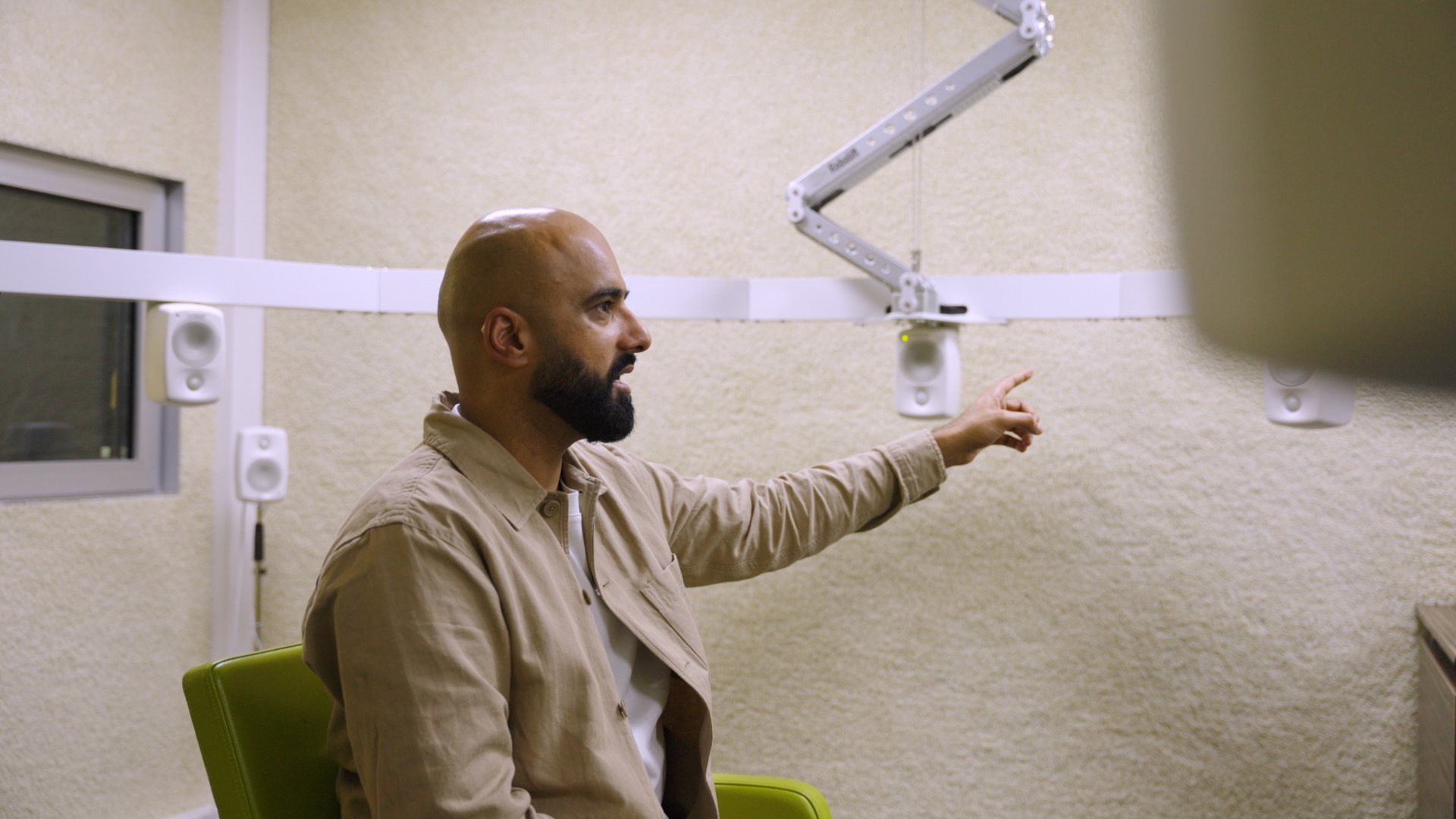
Phonak provides hearing care professionals with the most extensive and credible collection of freely accessible research papers—empowering you to confidently fit cutting-edge technology backed by robust scientific evidence.¹
How we conduct our research
Scientific evidence is essential for hearing technology because it ensures devices are safe, effective, and truly helpful for people with hearing loss. It also guides audiologists in accurately fitting and customizing devices to match each client’s specific hearing needs. In addition, scientific studies validate new features—such as AI-powered noise reduction—ensuring that improvements are meaningful and supported by measurable outcomes. Importantly, well-designed research studies are necessary to substantiate product claims, ensuring that manufacturers’ statements about performance, benefits, and technological advancements are accurate, transparent, and compliant with regulatory standards.
Evidence-based practice (EBP) in audiology is the integration of the best available scientific research, clinical expertise, and client values to guide hearing care decisions. Phonak provides hearing care professionals with evidence-based resources, training, and tools to help them deliver world-class hearing care tailored to each client. Hearing care professionals could then apply this evidence alongside their professional experience to select, fit, and fine-tune devices according to each individual’s hearing needs. Client preferences, communication goals, and lifestyle are also essential parts of the process. Together, these elements ensure hearing care is effective, ethical, personalized, and focused on improving real-world communication outcomes.
Visit Audiology Hub for Hearing Professionals | Phonak to learn more.
Hearing research combines controlled lab testing with real-world simulations to ensure reliable, practical results. Researchers measure how people perceive sounds, including speech, under varied listening conditions, using calibrated equipment and controlled sound environments.
At Phonak, research focuses on setups that replicate everyday listening experiences. Loudspeakers are arranged in a circle to simulate noise and speech from any direction. Realistic sound scenes use recorded background noise to mirror environments like restaurants or public spaces. Target speech tasks reflect typical communication challenges, with direction and task designed to match real-life listening situations. This approach ensures that measurements are scientifically robust while validating the effectiveness and usability of hearing solutions in real-world contexts, helping clients experience tangible benefits in daily life.
Yes — research shows a link between hearing aids and brain health. The ACHIEVE study found that older adults with untreated hearing loss who received hearing interventions, including properly fitted hearing aids, experienced slower cognitive decline compared with those who didn’t. This supports Phonak’s focus on cognitive well‑being, highlighting that hearing care can preserve memory, thinking, and overall quality of life.
Learn more at our Cognitive Well‑Being page Cognitive Well-Being - Phonak Research in Hearing Healthcare
The latest evidence shows that AI in hearing aids delivers real-world benefits. Phonak Infinio Ultra uses AI-powered features, including Spheric Speech Clarity 2.0 and AutoSense OS 7.0, to automatically detect environments, enhance speech in noise, and reduce listening effort. Lab and real-world studies with multi-directional speech and realistic background noise show measurable improvements in comprehension and ease of listening. Neuroimaging research indicates that AI noise reduction lowers brain activity linked to listening effort. By continuously adapting to diverse listening situations, AI provides clearer speech, reduced fatigue, and more natural sound. Explore more evidence and highlights for Phonak Infinio Ultra here: Infinio Ultra Evidence