Professional Login-Order Online!
Order products online to receive enhanced service and support instantly. Easily share evidence and literature with your



Family-Centered Care (FCC) in audiology recognizes that hearing loss affects both the individual and their loved ones. Phonak provides evidence-based tools and training to help hearing care providers integrate FCC into everyday practice.
Hearing Care Professional benefits:

True person-centered care recognizes that hearing loss affects more than one person and that everyone is impacted differently and so needs personalized care. The British Society of Audiology’s new Guiding Principles highlight the power of person-centered care built on partnership and respect.

Beyond the technology, hearing loss has a profound social and emotional impact. Involving family is the key to tackling these challenges together.

When clients or family members nod along, it doesn’t always mean they’ve understood. The teach-back technique helps clinicians confirm comprehension and build trust, not only with the individual but with the whole family.
Hear first-hand from health care providers about how implementing Family-Centered Care has helped them in their practice.
What do you know about the interactions between hearing aids users and their family members? The team at The University of Queensland has conducted years of research into the role that family members play in improving hearing care outcomes. Study co-author Dr. Barbra Timmer shares new, exciting insights in our latest podcast episode..
Professor Emeritus Louise Hickson and Dr. Christine Jones discuss why family involvement is essential for successful hearing outcomes. Louise shares research showing how support from loved ones strengthens communication and confidence with hearing aids.
Professor Joe Montano explains how engaging families helps audiologists better understand real communication challenges—and why it often makes appointments more effective.
An expert talk with Professor Emeritus Kris English and Dr. Christine Jones Professor Emeritus Kris English joins Dr. Christine Jones to explore how clinicians can approach emotional or complex family conversations with empathy and confidence. She offers practical ways to bring relatives into care discussions that truly help.
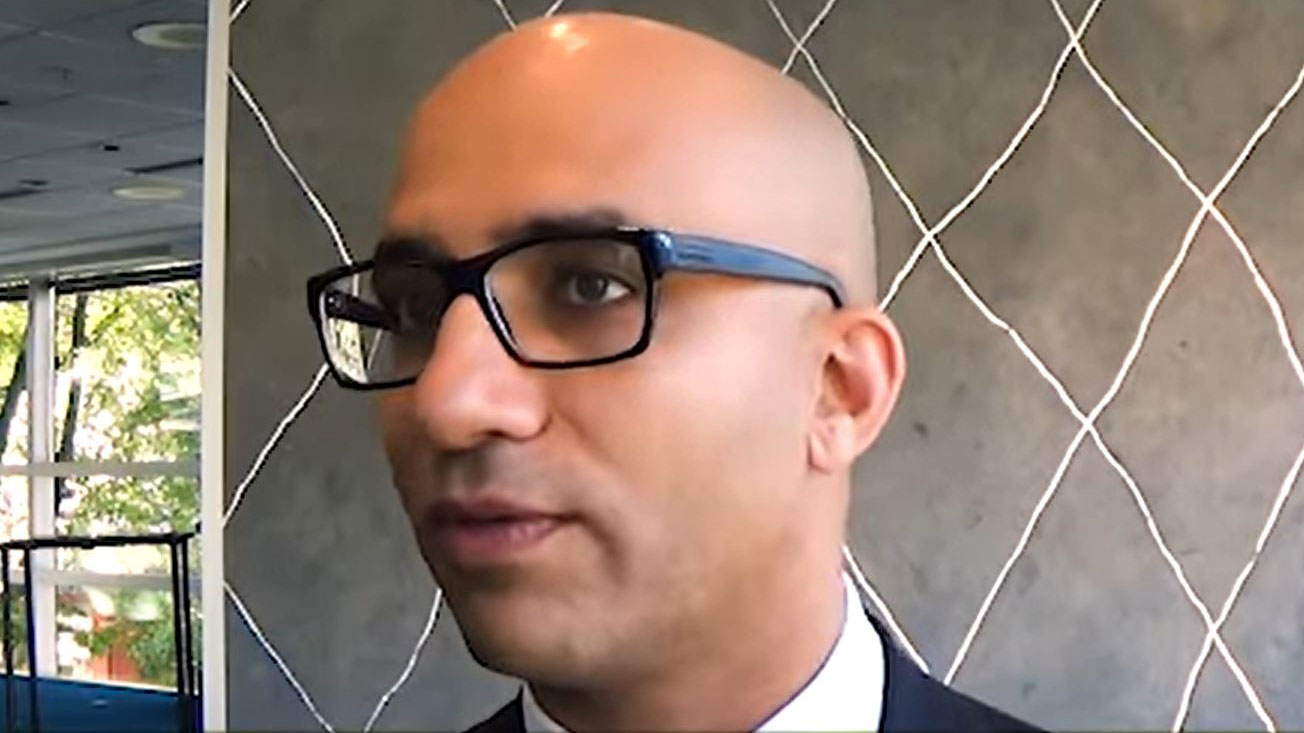
Gurjit Singh
Why We Need to Focus on FFC
Challenges Audiologists Face
Barbra Timmer

The Phonak FCC expert panel has developed ten easy steps to implement FCC in your practice. Here are the first three to get started:
Step 1
Invite a family member to join audiology appointments, reinforcing the reasons why they should attend.
Step 2
Set up the physical environment so that family members are comfortably included in the consultation.
Step 3
Let the patient and family members know that their input will be encouraged during the appointment.
Professional tools make implementing Family-Centered Care easy health care professional.
FOCAS is a tool designed to get input from both the client and their family during the hearing needs and goal-setting process. It encourages clients to open emotionally and share how they feel their hearing journey has impacted their family, while also encouraging client families to share how having a family member with hearing loss has had an impact on their lives as well. It provides a safe space to communicate openly and capture individual as well as shared goals.
QPL are communication aids created to encourage patients and families to actively participate in discussions by inviting them to choose questions and topics they would like to discuss during an appointment. They provide important social and emotional support and encourage families to share their questions and concerns about their child’s journey with the audiologist. It provides families the opportunity to ask about diagnosis and facilitates the process of decision making and making informed choices.