Professional Login-Order Online!
Order products online to receive enhanced service and support instantly. Easily share evidence and literature with your
Infinio Ultra delivers exceptional sound and speech understanding in noise.*1 Powered by adaptive AI precision to help you hear your world more clearly. Every step of the way.
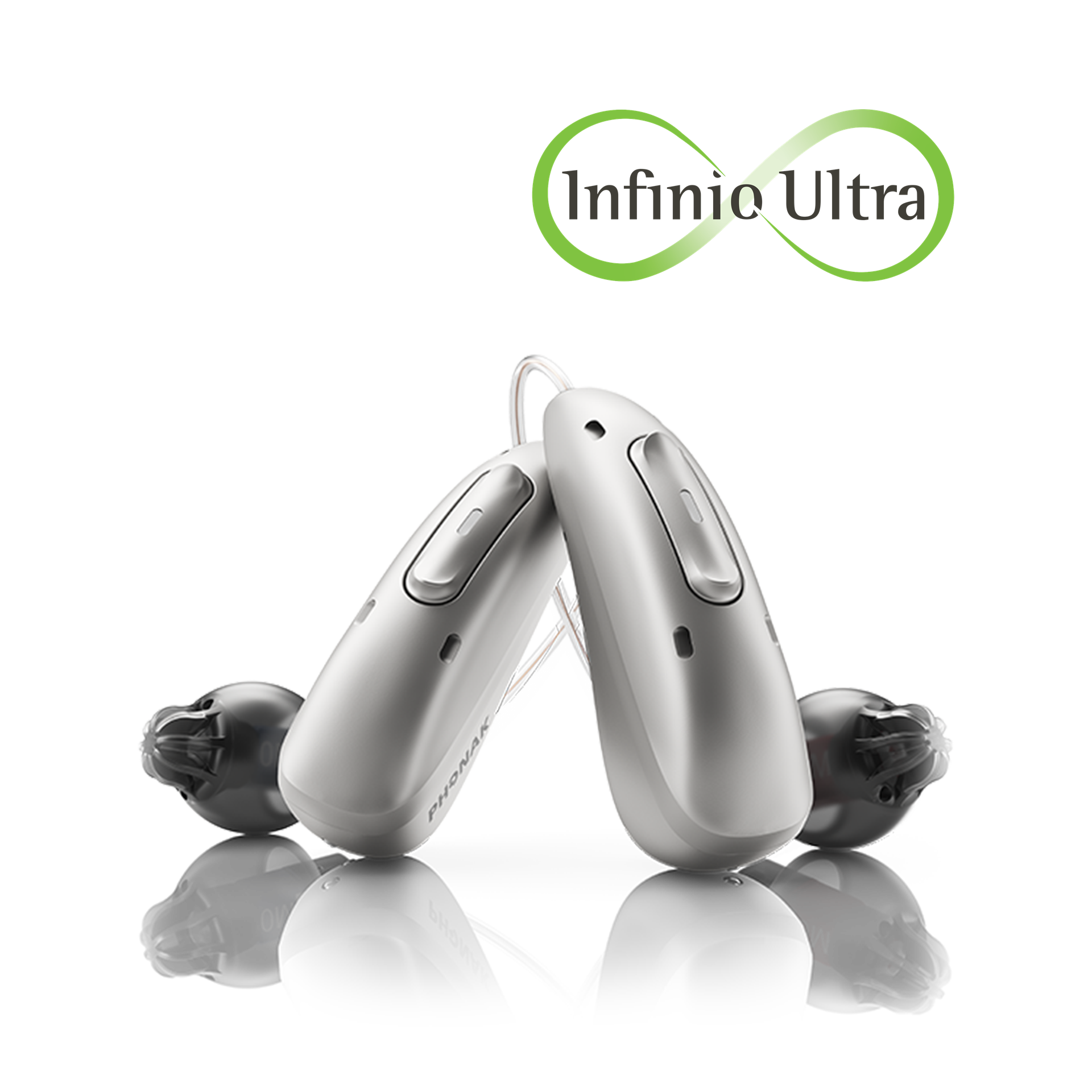
The best sound for you. No matter the situation. Anytime. Anywhere.
Real-time AI precision automatically adapts to your environment, boosting speech understanding in noise1 for exceptional hearing wherever life takes you.
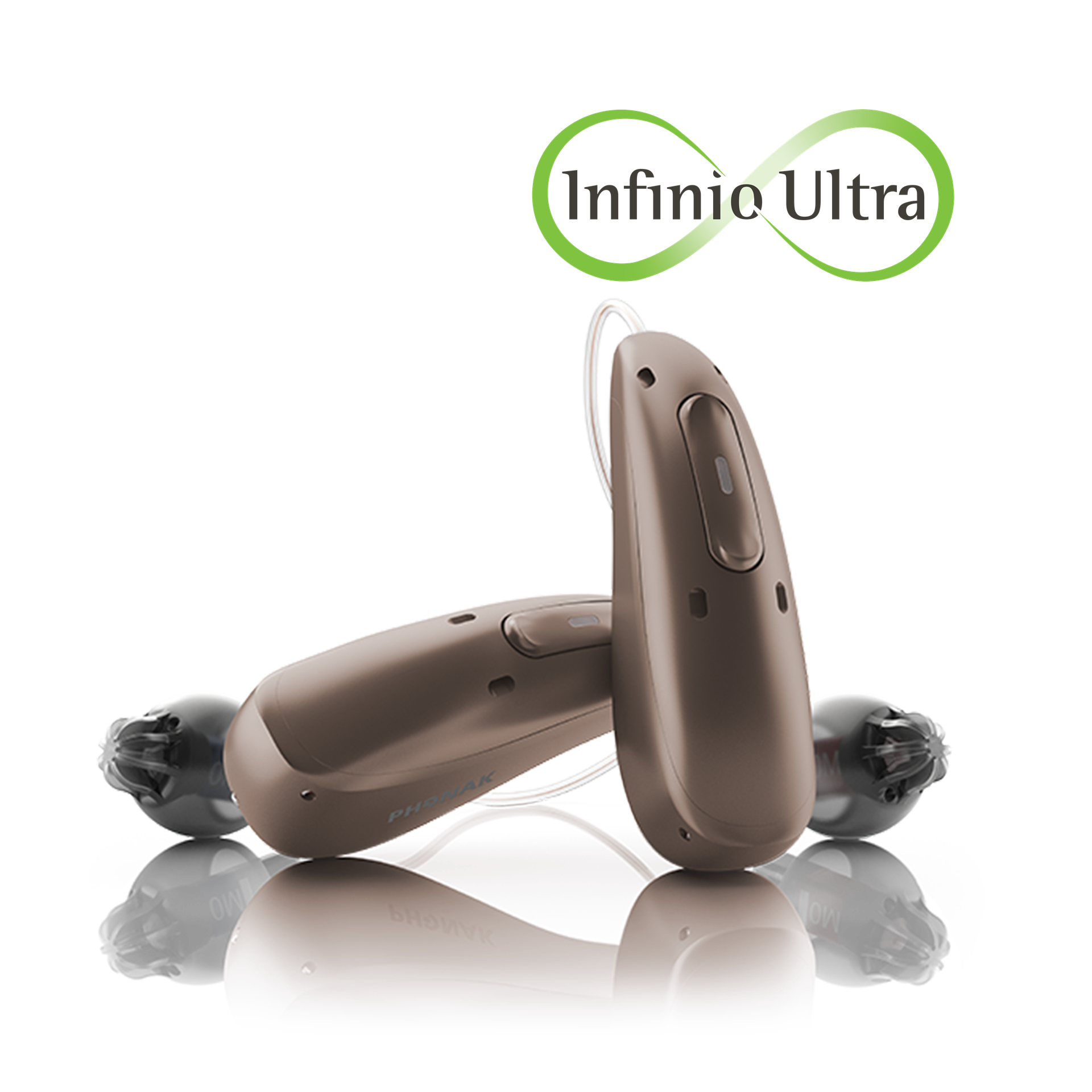
Any voice. Any direction. Always clear.
Exclusively featuring Spheric Speech Clarity 2.0 to deliver a new level of clear speech2 throughout your day. No matter how noisy your world gets.
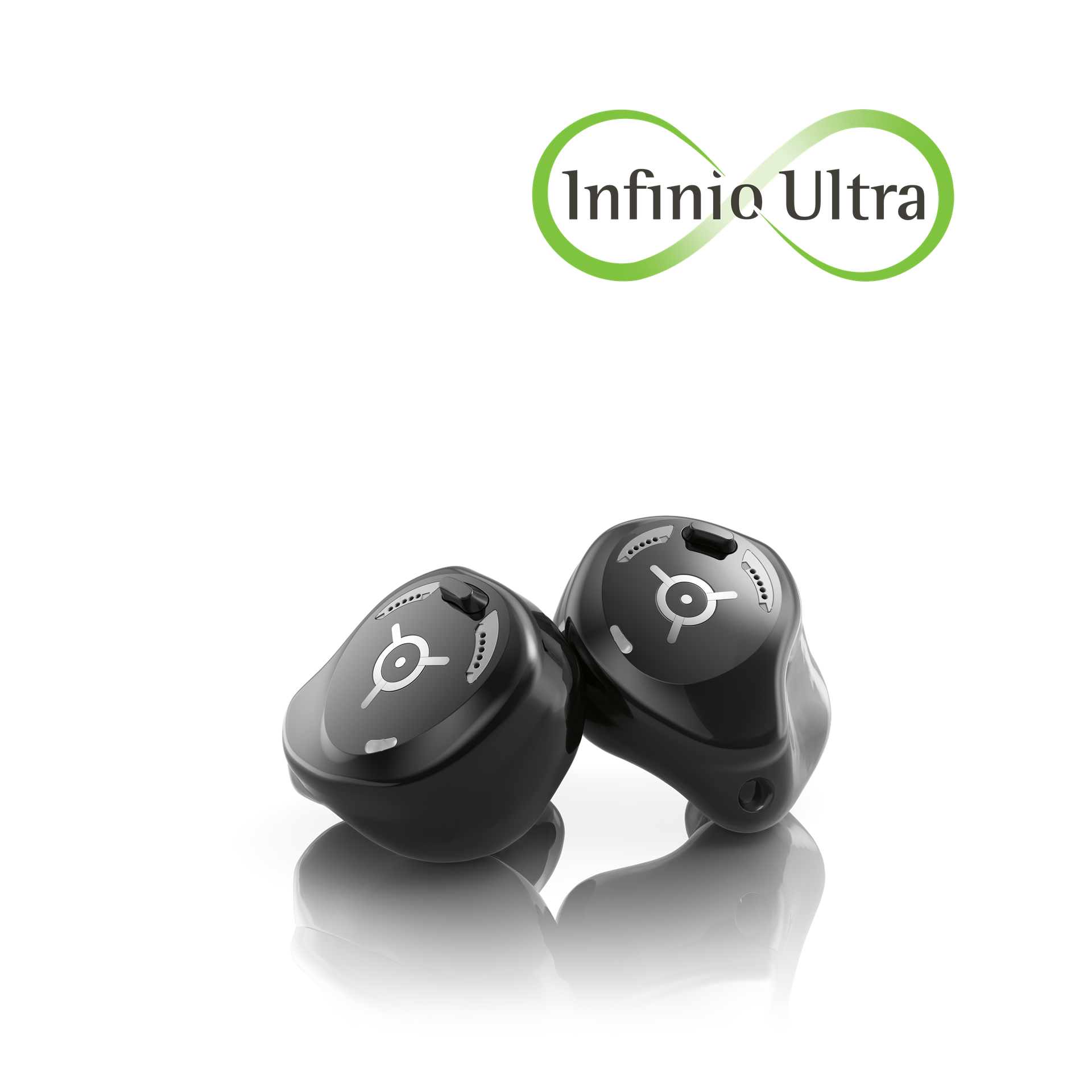
Extraordinary sound. Custom precision.
An incredibly personalized hearing experience, expertly crafted for your unique ear in a discreet, ultra-comfortable design. Hearing that looks as good as it feels.
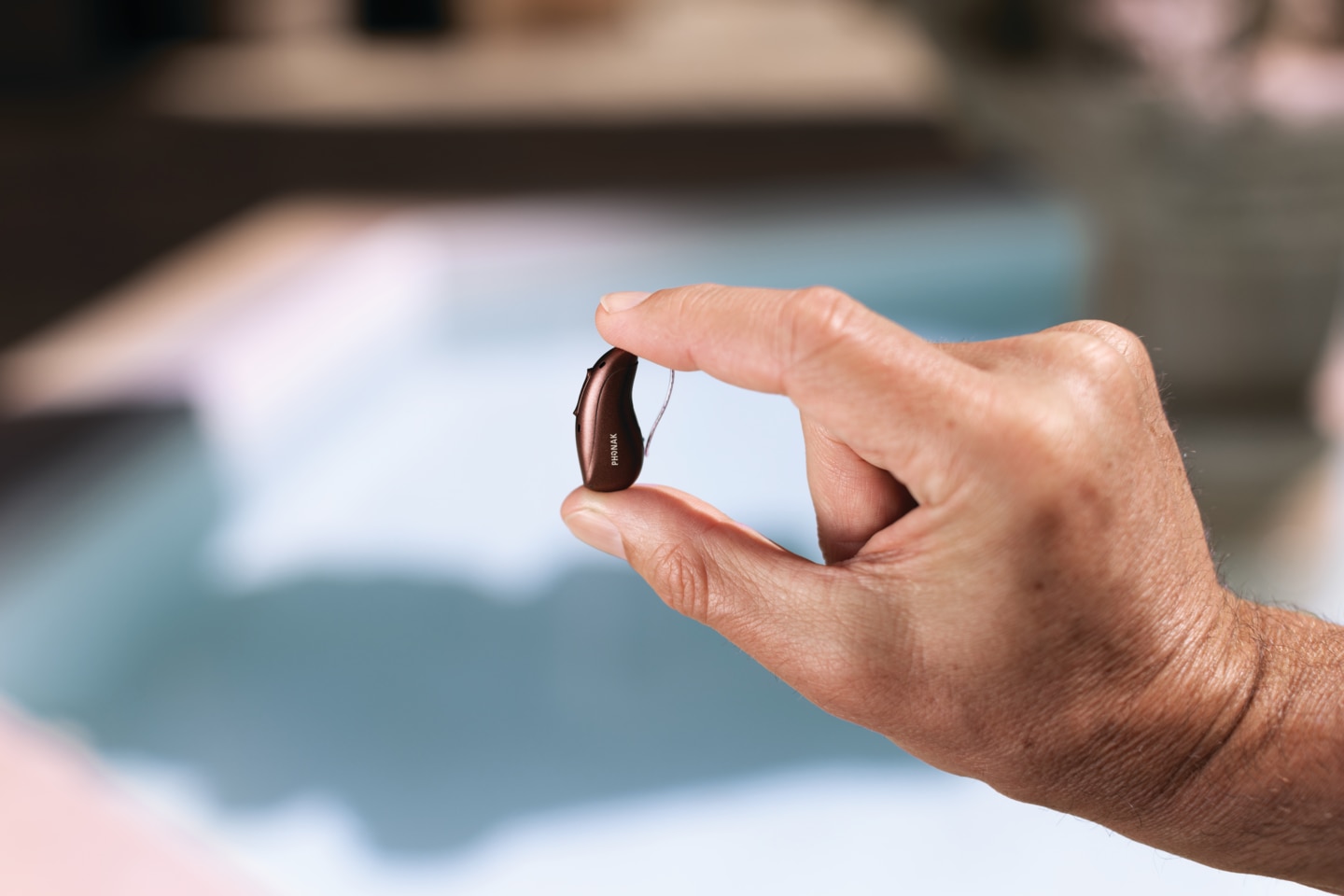
Discover Phonak’s advanced hearing aids, engineered to support every level of hearing loss and enhance your listening experience. Explore our solutions today.

An online hearing test offers a quick snapshot of your hearing health from home. While not a full diagnosis, it can help you decide if it’s time to see a specialist.
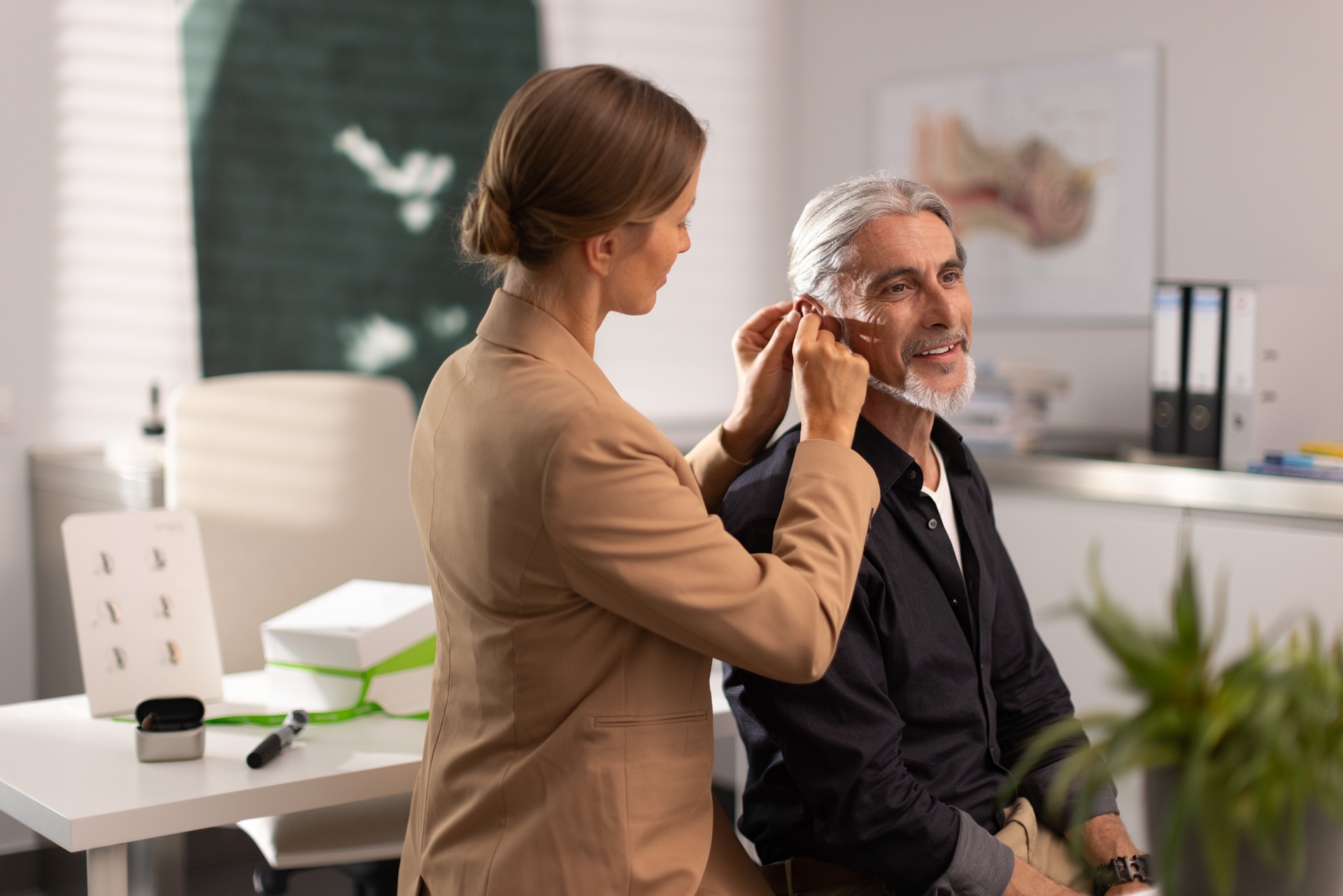
Finding a hearing care provider is the first step toward better hearing and tinnitus relief. They’ll evaluate your hearing and help you choose the right solution for your needs.
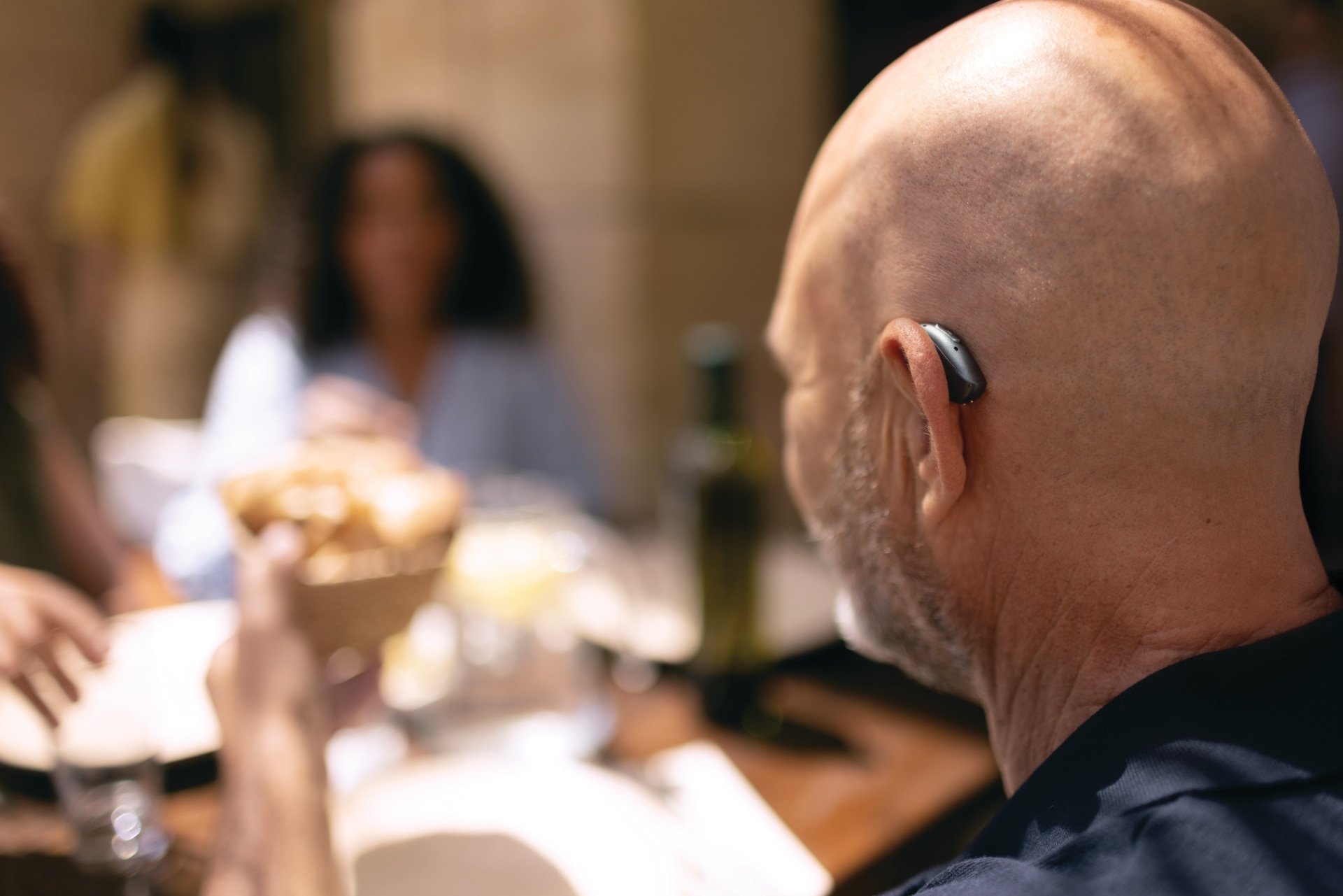
Stay ahead in a rapidly evolving field with our AI-powered solutions and educational resources.
Footnotes
*For adults with mild to severe hearing loss.
** The maximum battery runtime is determined by battery condition, hearing loss, environmental sound classification, streaming usage and activated feature set.
1 Wright, A. et al. (2025). AutoSense OS 7.0 improves speech understanding with highly rated sound quality for challenging listening environments. Phonak Field Study News. Retrieved from https://www.phonak.com/evidence.)
2. Raufer, S., Kohlhauer, P., Jehle, F., Kühnel, V., Preuss, M., Hobi, S. (2024). Spheric Speech Clarity proven to outperform three key competitors for clear speech in noise. Phonak Field Study News retrieved from https://www.phonak.com/evidence
3. Based on Phonak internal data. Contact claims@sonova.com if you are interested in more information.
The Bluetooth® word mark and logos are registered trademarks owned by Bluetooth SIG, Inc. and any use of such marks by Sonova AG is under license.


